March 6, 2026
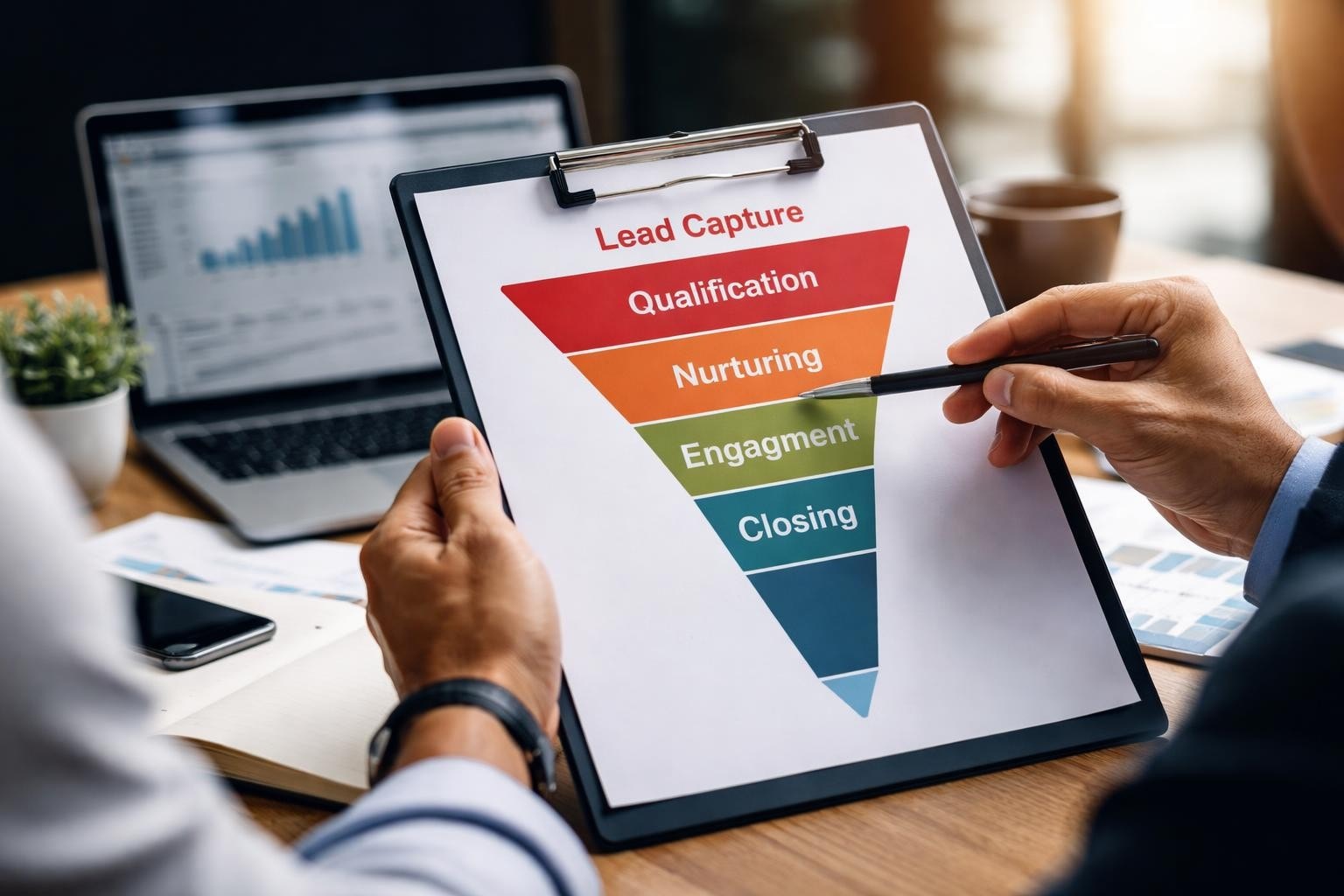
Lead success represents the critical bridge between marketing efforts and revenue generation. For growth-stage companies and established businesses alike, the ability to consistently convert leads into paying customers determines whether revenue plateaus or scales. Understanding the mechanics of lead success requires a comprehensive approach that encompasses strategy, process optimization, and technological integration. Companies that master lead success create predictable revenue streams and sustainable growth trajectories.
Lead success begins with clarity about what constitutes a qualified lead. Many organizations struggle with revenue growth not because they lack leads, but because they fail to distinguish between prospects worth pursuing and those that drain resources. Effective lead qualification separates companies that scale from those that stagnate.
The foundation rests on three critical components:
Establishing these foundations prevents common pitfalls. Teams waste countless hours pursuing leads that never convert, or worse, convert into customers who churn quickly. Understanding what lead conversion truly means requires examining both the quality and quantity of opportunities flowing through your pipeline.
Lead success cannot be managed without measurement. Organizations need specific, actionable metrics that provide insight into pipeline health and conversion efficiency.
| Metric | Purpose | Target Benchmark |
|---|---|---|
| Lead-to-Opportunity Rate | Measures qualification effectiveness | 20-30% |
| Opportunity-to-Customer Rate | Tracks sales effectiveness | 25-35% |
| Time to Conversion | Identifies process bottlenecks | 30-90 days (varies by industry) |
| Cost Per Acquisition | Evaluates efficiency | Industry-dependent |
These metrics illuminate where lead success breaks down. A low lead-to-opportunity rate signals qualification problems or misalignment between marketing and sales. Extended conversion times often indicate process inefficiencies or inadequate nurturing sequences.
The qualification stage determines lead success more than any other factor. Companies that implement rigorous qualification see dramatic improvements in conversion rates and sales efficiency. Speed matters, but accuracy matters more.

Modern qualification extends beyond basic demographic information. Behavioral signals provide critical context about buying intent. Website visits to pricing pages, content downloads focused on implementation, and engagement with product comparison materials all indicate heightened interest.
Effective B2B lead generation strategies emphasize the importance of multi-dimensional qualification. Companies should evaluate:
This comprehensive approach ensures sales teams invest time in opportunities with genuine potential. Many businesses discover that focusing on fewer, better-qualified leads produces superior results compared to pursuing every inquiry.
Progressive qualification recognizes that not all leads arrive ready to buy. Rather than forcing premature sales conversations, this approach nurtures relationships while gathering intelligence. Each interaction provides data that refines understanding of fit and intent.
Marketing automation platforms enable this progression through targeted content delivery, behavior tracking, and automated scoring adjustments. As leads demonstrate increasing engagement and fit, they naturally advance through qualification stages until they warrant direct sales outreach.
Once qualified, leads require strategic engagement that addresses their specific needs and concerns. Generic outreach produces generic results. Personalizing communication based on prospect context dramatically improves conversion rates.
Successful engagement strategies incorporate multiple touchpoints across various channels:
The timing and sequencing of these touchpoints matters enormously. Research consistently shows that rapid response to new leads significantly increases conversion probability. Companies that contact leads within five minutes convert at substantially higher rates than those that wait even an hour.
A structured cadence prevents leads from falling through cracks while avoiding overwhelming prospects with excessive contact. The optimal cadence varies by industry, deal size, and buying cycle, but certain principles apply universally.
Day 1-3: Immediate response and value delivery Week 1-2: Educational content and discovery conversations Week 3-4: Solution demonstration and fit assessment Week 5+: Proposal development and negotiation
This framework provides structure while allowing flexibility based on individual prospect behavior. Some leads accelerate through stages quickly; others require extended nurturing. The key is maintaining consistent, valuable contact without becoming pushy.
Technology amplifies human effort but cannot replace strategic thinking. The right tools enable teams to manage higher lead volumes while maintaining personalization and responsiveness. For many companies assessing their marketing strategy, evaluating the technology stack represents a critical step in improving lead flow and conversion.

Essential technology categories include:
| Technology Type | Primary Function | Impact on Lead Success |
|---|---|---|
| CRM Platform | Centralized lead and customer data | Provides visibility and accountability |
| Marketing Automation | Nurture sequences and scoring | Enables scale and personalization |
| Sales Engagement | Outreach automation and tracking | Increases touchpoint consistency |
| Conversation Intelligence | Call recording and analysis | Improves messaging and objection handling |
Integration between these systems creates a seamless experience. When marketing automation feeds qualified leads directly into the CRM, which triggers sales engagement sequences and tracks all interactions, nothing falls through the cracks.
Many organizations discover that optimizing their technology infrastructure reveals opportunities they previously missed. Proper implementation transforms lead success from an art dependent on individual sales skills into a repeatable, scalable process.
Artificial intelligence introduces new capabilities that further accelerate lead success. Predictive lead scoring uses historical data to identify which leads most closely resemble past customers who converted and generated significant lifetime value. Natural language processing analyzes prospect communications to detect buying signals and sentiment shifts.
AI-powered tools also optimize timing, determining when prospects are most likely to engage based on their historical behavior patterns. These capabilities allow teams to prioritize efforts where they'll produce maximum impact.
Technology and process matter, but culture determines whether lead success initiatives take root. Organizations that achieve consistent conversion excellence embed certain values and behaviors throughout their teams.
Accountability stands paramount. Every lead represents an investment and an opportunity. When leads receive inadequate follow-up or poor treatment, that investment evaporates. High-performing teams track individual and collective performance against lead success metrics.
Collaboration between marketing and sales eliminates the finger-pointing that plagues many organizations. SaaS executives who think like CEOs understand that revenue generation requires unified effort, not departmental silos.
Continuous improvement differentiates growing companies from stagnant ones. Regular analysis of conversion data, win/loss interviews, and process refinement sessions identify opportunities to enhance lead success. What worked last quarter may not suffice this quarter as markets evolve and competition intensifies.
Skill development directly impacts conversion rates. Sales professionals need training in:
Marketing teams require different but complementary skills. Understanding lead generation best practices helps them deliver higher-quality prospects. Training on messaging, targeting, and campaign optimization ensures marketing efforts feed sales pipelines effectively.
Not every qualified lead is ready to buy immediately. Lead nurturing maintains relationships with prospects until timing aligns with their buying cycle. Companies that excel at nurturing convert leads that competitors abandon.
Effective nurturing delivers consistent value without demanding immediate action. Educational content, industry insights, case studies, and thought leadership keep your organization top-of-mind while building credibility. The goal is to be the obvious choice when the prospect is ready to move forward.
Segmentation improves nurturing effectiveness. Leads in different industries, company sizes, or roles require tailored messaging. A CFO cares about different aspects of your solution than an operations manager. Strategic lead conversion approaches recognize these differences and address them explicitly.
Nurture programs require measurement to ensure they're working. Key indicators include:
These metrics reveal whether nurturing investments pay off. Programs showing low engagement or minimal conversion contribution need revision or elimination.
Even well-designed lead success programs encounter challenges. Recognizing and addressing these obstacles prevents them from derailing conversion efforts.
Lead leakage occurs when prospects slip through the process without proper follow-up. This happens due to unclear ownership, inadequate routing, or simple oversight. Implementing clear assignment rules and automated alerts reduces leakage significantly.
Inconsistent follow-up undermines lead success. Some sales professionals excel at persistent, professional outreach while others contact leads once and move on. Establishing structured follow-up sequences ensures every lead receives consistent treatment regardless of which team member handles them.
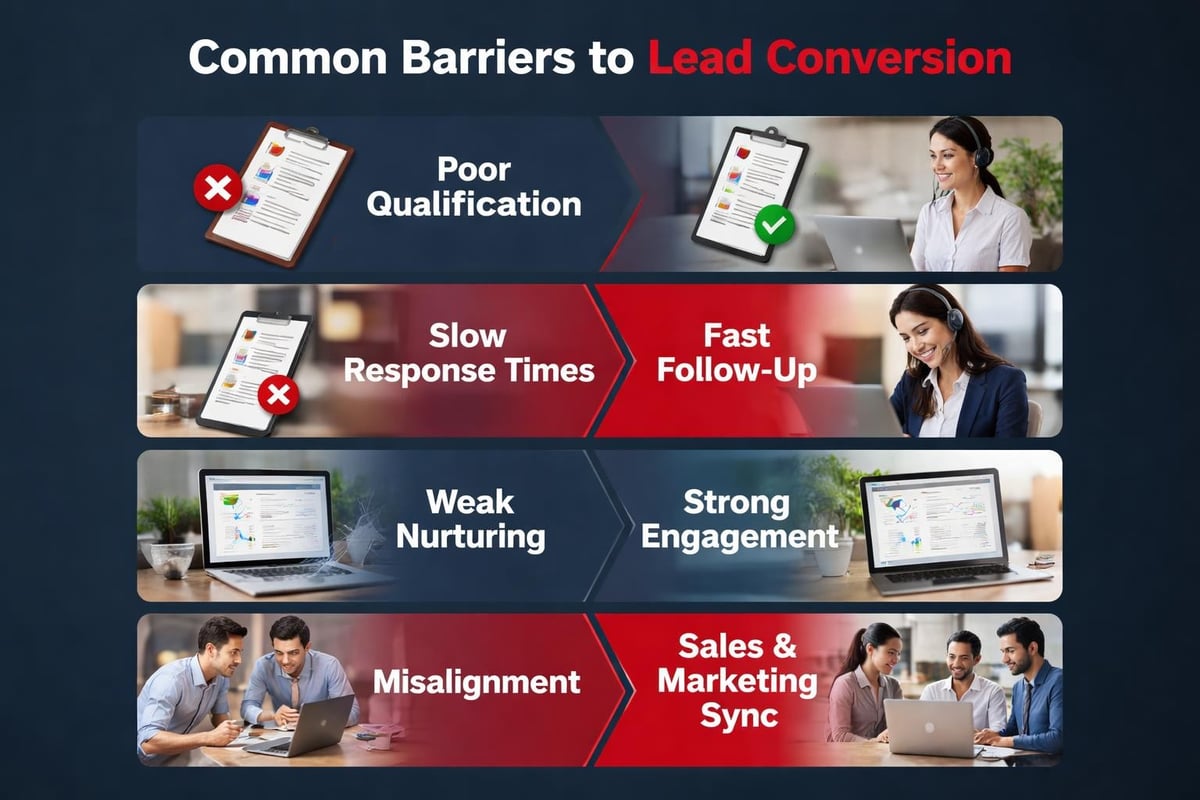
Misalignment on lead quality creates friction between marketing and sales. Marketing feels sales isn't working hard enough; sales believes marketing delivers poor leads. Regular collaboration sessions, agreed-upon definitions, and transparent feedback loops resolve this tension.
Inadequate resources limit lead success when teams lack sufficient capacity to handle lead volume properly. Lessons from rapidly growing companies demonstrate that strategic resource allocation to high-potential opportunities produces better results than spreading teams too thin.
Lead success improves through iteration. Companies that systematically gather and apply feedback optimize conversion over time. This requires formal mechanisms for collecting intelligence from prospects, customers, and internal teams.
Win/loss analysis provides invaluable insights. Understanding why deals close reveals what resonates with prospects. Equally important, analyzing losses identifies objections, competitive weaknesses, or qualification failures that need addressing.
Customer feedback after conversion illuminates whether marketing and sales accurately represented the solution. Misalignment between expectations and reality leads to churn, destroying the long-term value of conversion success.
Sales team input highlights practical challenges in the lead success process. Front-line sellers know which content pieces prove most effective, which objections arise most frequently, and which qualification criteria best predict conversion. Organizations that tap this knowledge and act on it consistently improve results.
Regular review sessions examining key metrics, discussing challenges, and implementing refinements keep lead success initiatives evolving. Improving inbound lead conversion requires ongoing attention, not one-time fixes.
Mastering lead success transforms business performance by converting more prospects into customers while reducing acquisition costs and improving efficiency. The strategies outlined here provide a comprehensive framework for building predictable, scalable revenue generation. If your organization has plateaued at a certain revenue level and struggles to improve conversion rates despite generating leads, ApetureCodex specializes in diagnosing process gaps, optimizing team structures, and implementing AI-enhanced systems that drive measurable improvements in lead success and overall revenue growth.